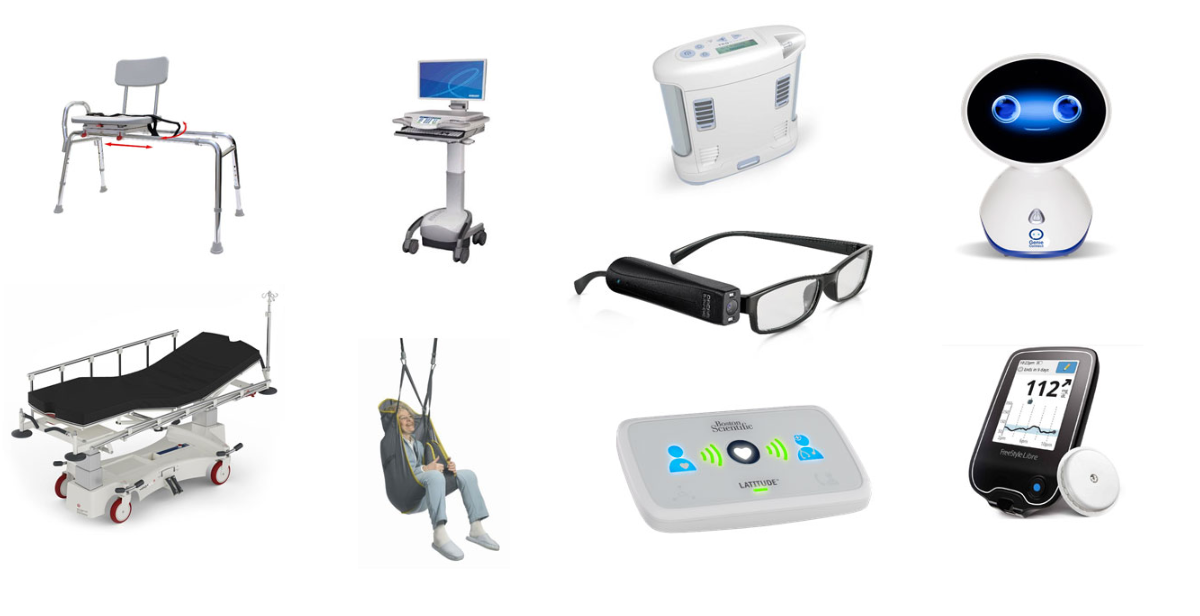

A medical device is any device intended to be used for medical purposes. Significant potential for hazards are inherent when using a device for medical purposes and thus medical devices must be proved safe and effective with reasonable assurance before regulating governments allow marketing of the device in their country. As a general rule, as the associated risk of the device increases the amount of testing required to establish safety and efficacy also increases. Further, as associated risk increases the potential benefit to the patient must also increase.
Information for patients
Classifying medical devices based on their risk is essential for maintaining patient and staff safety while simultaneously facilitating the marketing of medical products. By establishing different risk classifications, lower risk devices, for example, a stethoscope or tongue depressor, are not required to undergo the same level of testing that higher risk devices such as artificial pacemakers undergo. Establishing a hierarchy of risk classification allows regulatory bodies to provide flexibility when reviewing medical devices.